Coolant in your oil or gearbox: why the coolers are the first suspects
The reverse case is more serious: when coolant gets into the engine oil or the transmission fluid. The oil loses its ability to lubricate, and the parts it was protecting start to wear.
Coolers: parts that wear over time
The engine oil cooler and the transmission fluid cooler work under constant heat and pressure. Over the years and kilometres, the wall or seal between oil and water weakens, because these are wear parts by nature.
In many automatic cars, the transmission cooler sits inside the radiator or right next to it, so any crack mixes the two fluids. Coolers are a common cause of this, along with others such as the head gasket.
After you turn the engine off, oil pressure drops, but the cooling circuit stays hot and under pressure. That's when coolant can leak through the same crack into the oil.
What happens to the engine oil?
Water and glycol from the coolant mix with the oil and form a light, milky sludge. The oil loses its proper thickness, and the first parts to suffer are the main bearings, because they depend on a thin film of oil. Worn bearings mean a repair inside the engine.
What happens to the gearbox?
Automatic transmission fluid is sensitive to water, and even a small amount affects the internal clutch plates. The gearbox starts to jerk or shift late, and if it continues it can lead to a gearbox rebuild or replacement.
Why don't you see it?
- The oil level can look normal, or rise slightly from the water that got in.
- The coolant drops slowly, and you top it up without knowing where it goes.
- In most modern cars, the transmission fluid has no dipstick you can easily reach.
The difference in cost
Caught early | Caught late |
|---|---|
Replace the cooler or its seal | Possible engine rebuild because of the bearings |
Change the oil and filter and flush the circuit | Possible gearbox rebuild or replacement |
Refill the coolant | All the early repairs, plus a possible rebuild |
How SHIEEK finds it
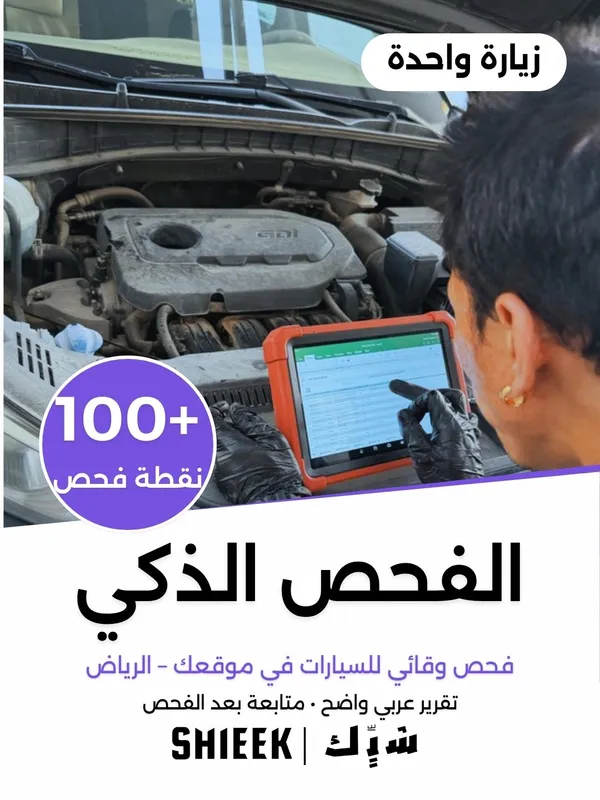
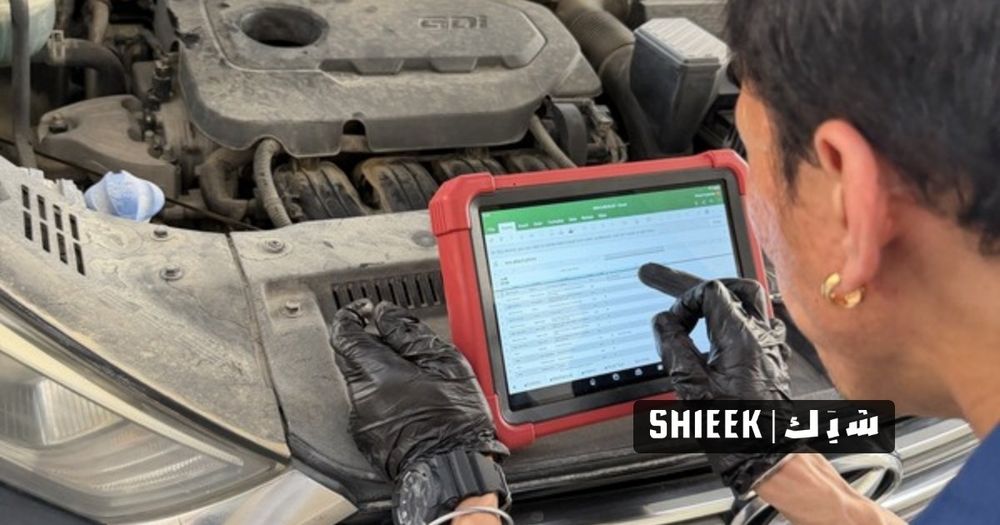
We measure engine oil quality with a specialist meter that gives a numeric reading, take a coolant sample and test it, and look for signs like foam or a light colour in the oil. We also read the control units with a diagnostic tool, because some gearbox problems log fault codes before you feel them.
We write every sign in the report and explain it after the inspection, so you go to the service center knowing exactly what to ask for.